

Diesel Price Surge Raises Political and Economic Pressure Ahead of Midterms
Warning: Undefined variable $excerpt in /home1/daydrem6/public_html/wp-content/plugins/sneeit-framework/includes/articles/articles-singular.php on line 381
A sharp rise in diesel prices is emerging as a significant economic and political challenge for Republicans and President Donald Trump as the 2026 midterm elections approach. While gasoline prices tend to attract the most public attention, economists and energy analysts warn that diesel fuel has a broader impact on the overall economy because it powers much of the nation’s commercial transportation and industrial activity.
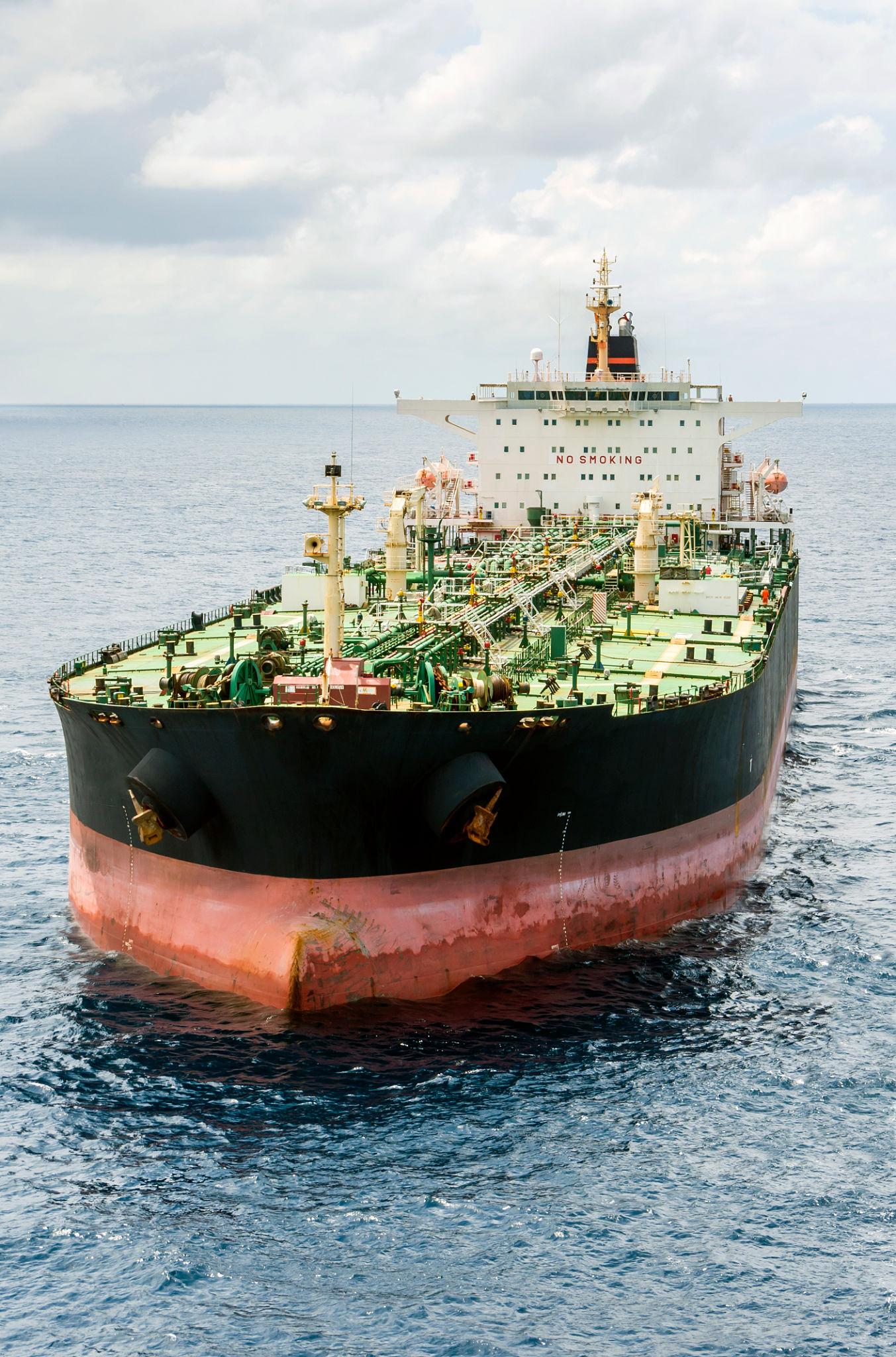
Diesel fuel is essential to the movement of goods across the United States. Trucking fleets, rail systems, agricultural equipment, construction machinery, cargo shipping operations, and manufacturing facilities all depend heavily on diesel. As prices rise, businesses throughout the supply chain face higher operating costs, which are often passed on to consumers through higher prices for food, retail products, and services.
Energy market analysts say the current diesel price spike is driven by a combination of tight refinery capacity, low fuel inventories, strong freight demand, and ongoing geopolitical uncertainty. Refining constraints have created concerns about supply flexibility, leaving diesel markets particularly vulnerable to sudden price swings.
Industry experts note that diesel markets can behave differently from gasoline markets because diesel production relies on specialized refining output. When inventories tighten or refinery operations are disrupted, prices can rise rapidly and remain elevated for extended periods.
The transportation and logistics industries are already beginning to feel the effects. Trucking companies are facing rising fuel expenses that threaten already narrow profit margins. Freight carriers and shipping firms may be forced to raise rates to offset higher operating costs. Those increases could eventually ripple through the broader economy as retailers and distributors adjust pricing on consumer goods.
Agricultural producers are also under pressure. Farmers rely heavily on diesel-powered machinery during planting and harvesting seasons, and higher fuel costs can significantly raise food production costs. Construction companies, manufacturers, and industrial operators are facing similar challenges as energy expenses continue to climb.
The political implications of rising diesel prices could become increasingly significant in the months ahead. Republicans campaigned aggressively on promises to reduce inflation, stabilize energy markets, and lower everyday costs for American families. If diesel prices continue climbing through the summer and fall, Democrats are expected to argue that transportation and supply chain inflation remain unresolved under Republican leadership.
Political strategists suggest that while many voters may not closely monitor diesel prices directly, they are likely to notice the downstream effects. Higher grocery bills, more expensive shipping, rising retail prices, and increased costs for household goods could all contribute to renewed concerns about inflation and economic stability.
Some analysts warn that sustained diesel inflation could weaken consumer confidence and complicate Republican messaging ahead of the midterms. Energy costs often play an outsized role in shaping public perceptions of economic management, particularly when price increases affect essential goods and services across multiple industries.
Market observers are also watching refinery operations and global crude oil trends closely. Any additional supply disruptions, refinery outages, or geopolitical instability could further tighten diesel supplies and place additional upward pressure on prices.
As election season intensifies, diesel prices may become an increasingly important economic indicator for both political parties. While gasoline prices remain highly visible to consumers, diesel’s influence on transportation, manufacturing, agriculture, and supply chains gives it the potential to shape inflation trends across the broader economy — and potentially influence voter sentiment heading into November.